It’s all in the margins
19d brings the readers inside the printed page

A conference is judged on its programme and remembered for its connections.
The coffee before the first session, the ten minutes between panels, the person you happen to be sitting next to. Those margins are either designed or left to chance.
What happens on stage are the articles. The event is the Style Guide.
Some of our clients in the publishing industry:
Condé Nast — Teen Vogue Fashion University; Wedding March
Fairchild — Wedding March
The New York Times — DealBook Conference
Businessweek - 75th Anniversary Celebration
Town & Country - Philanthropy Summit
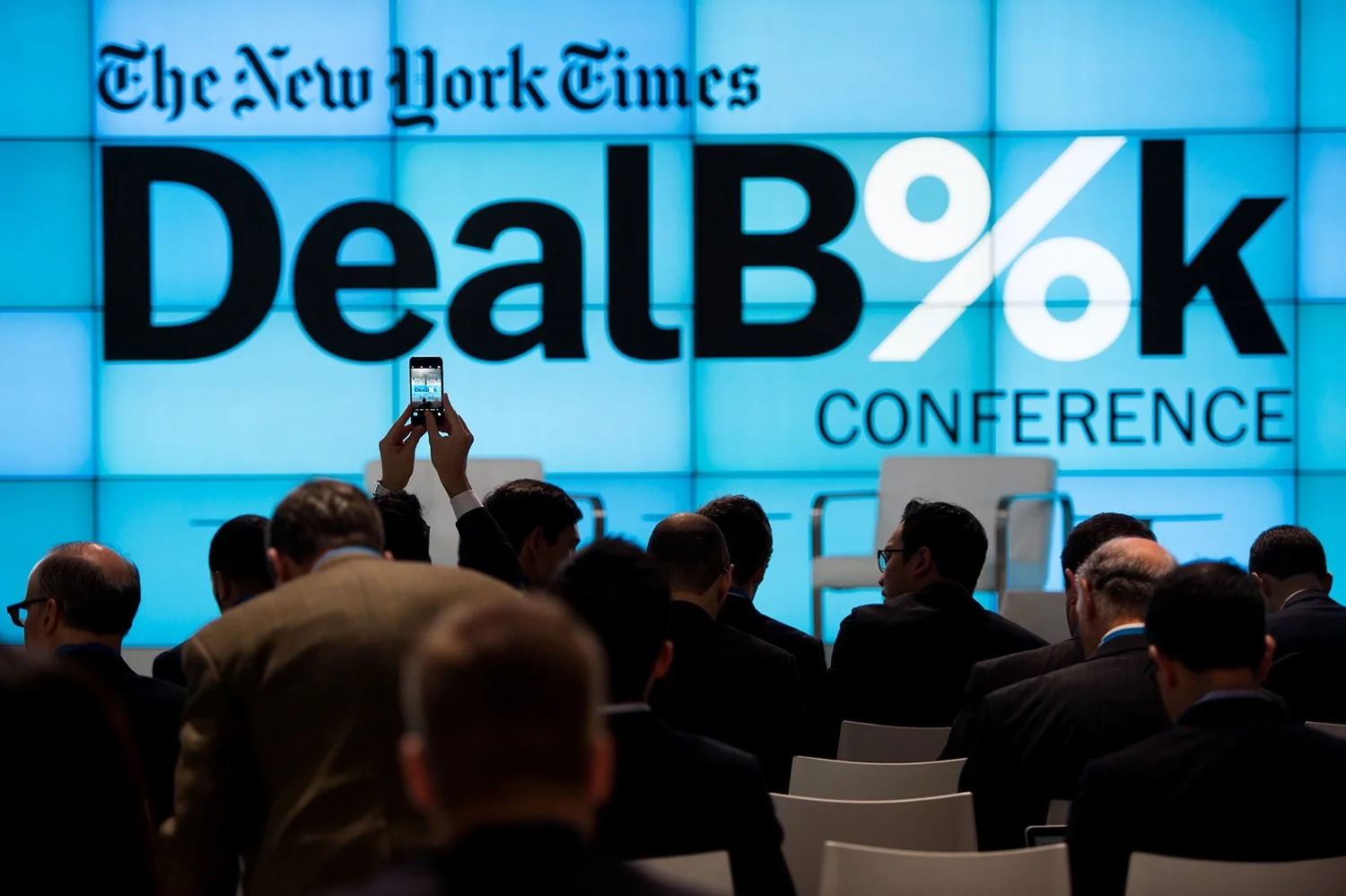
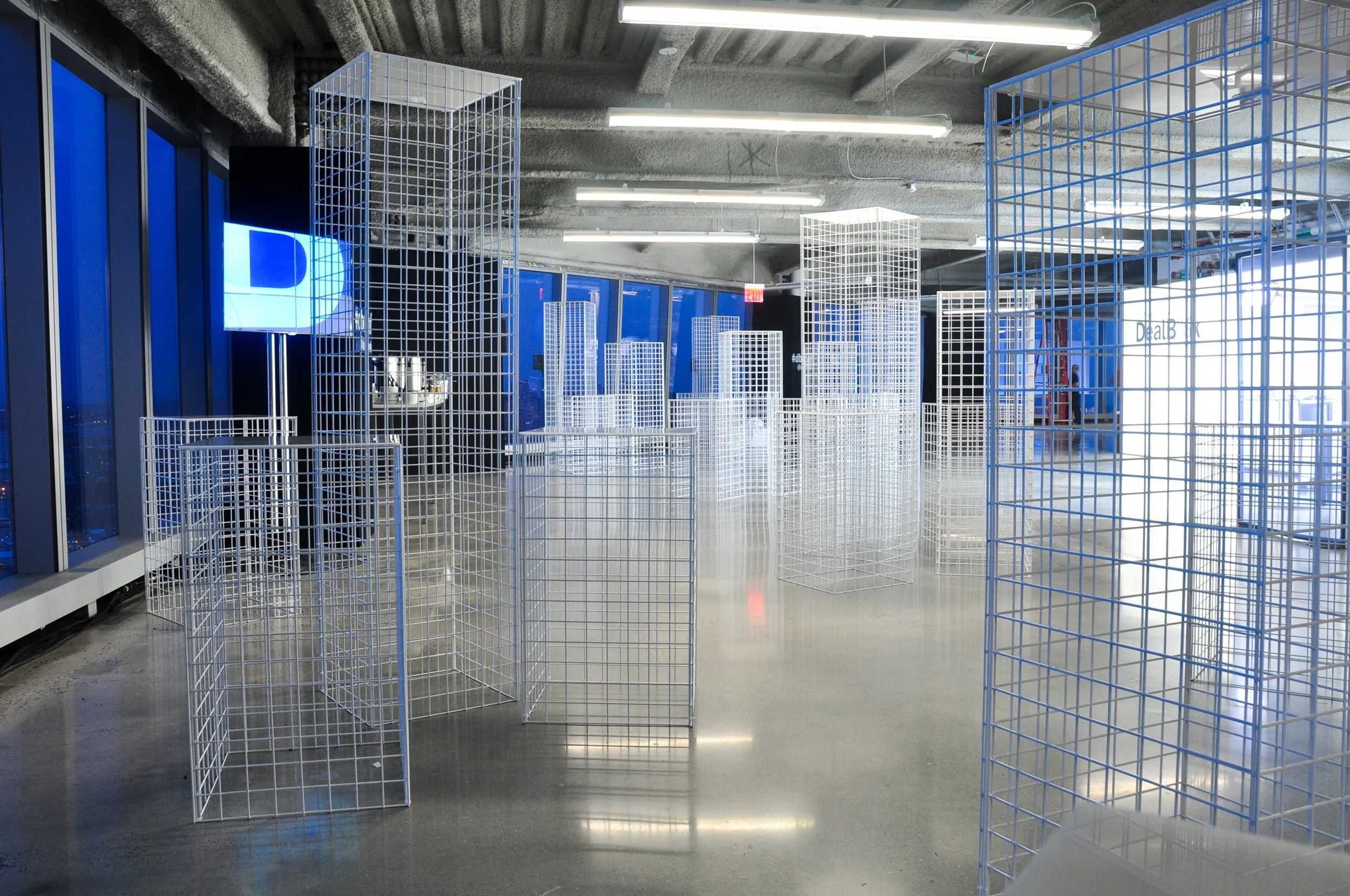

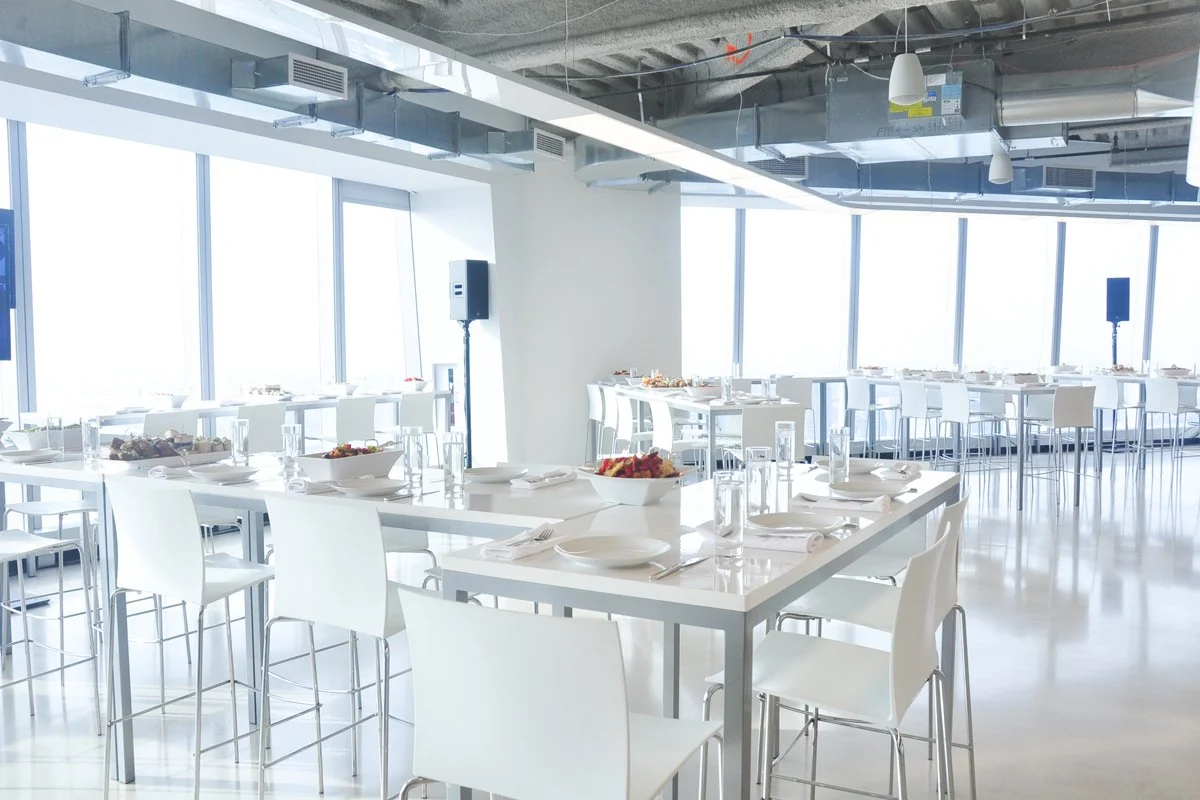

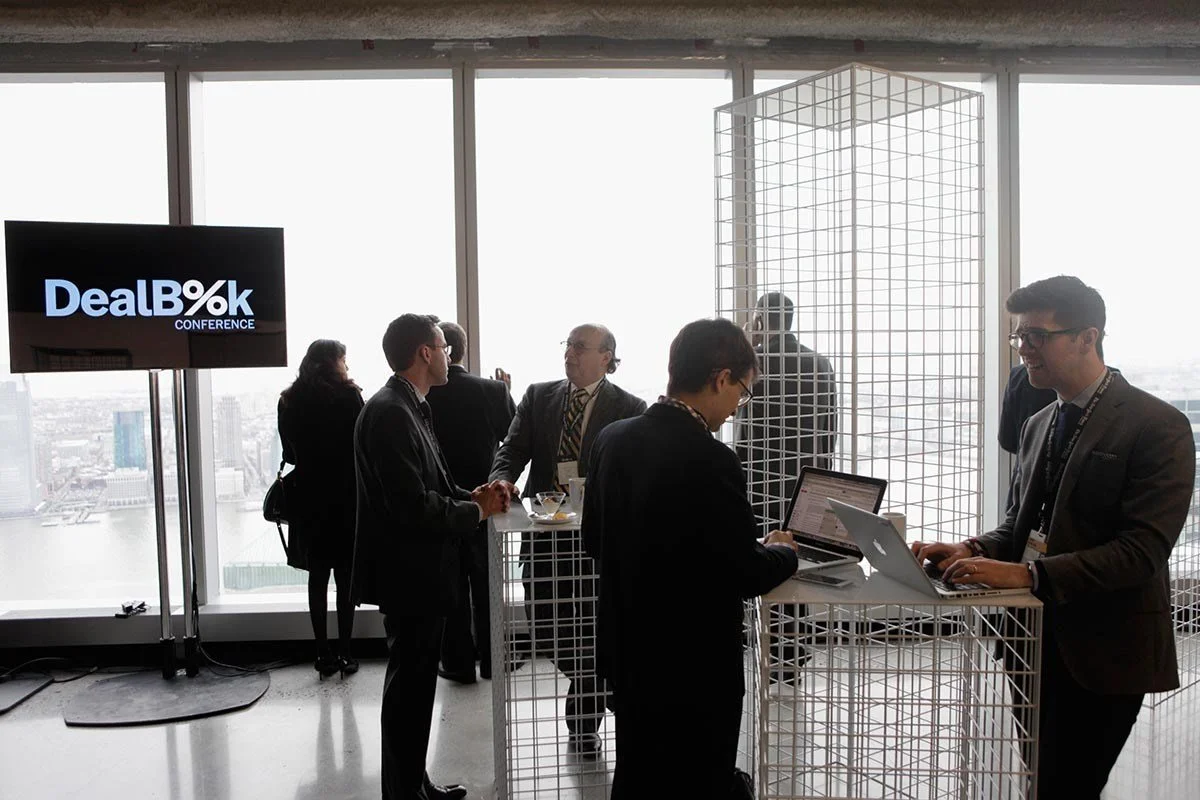




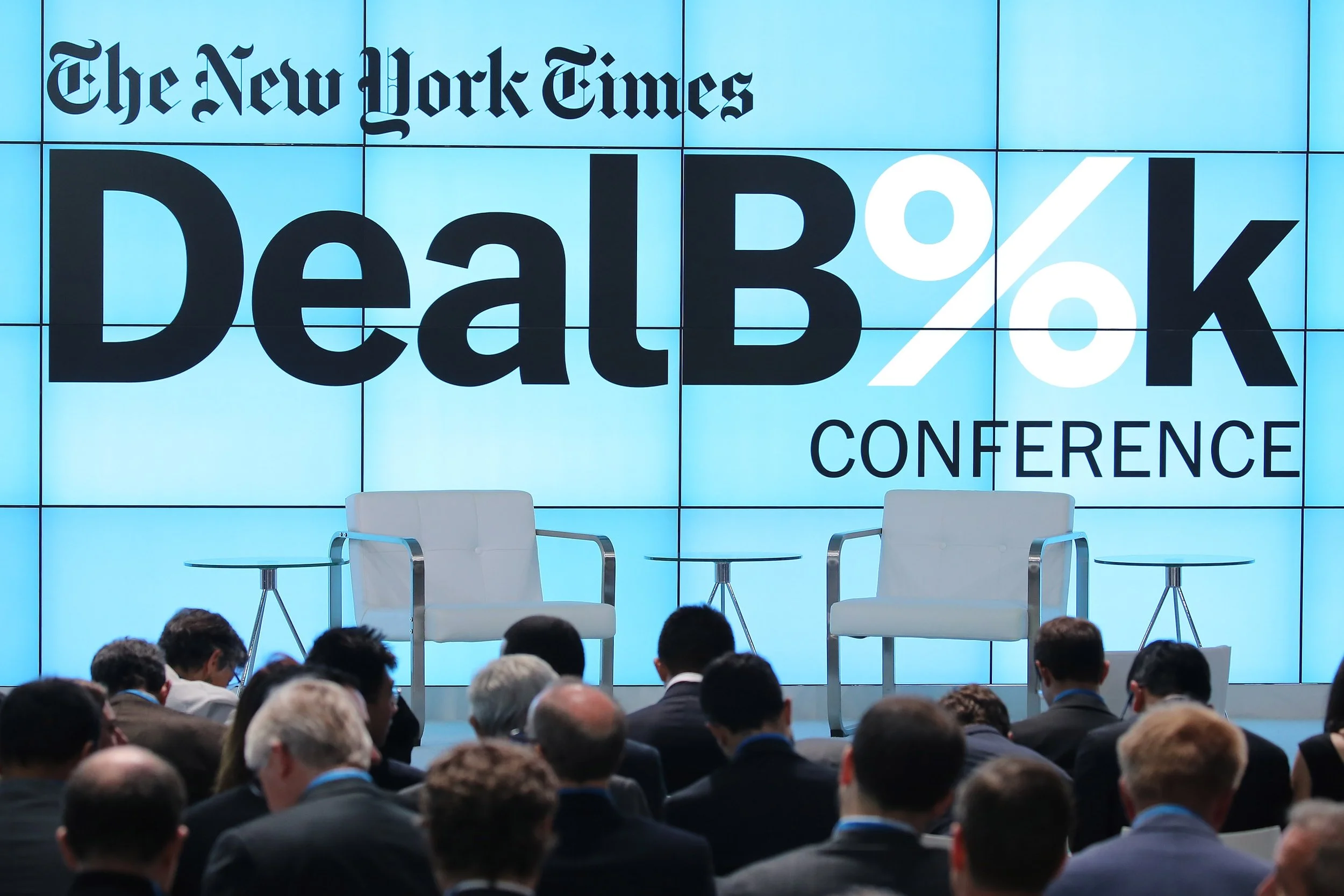
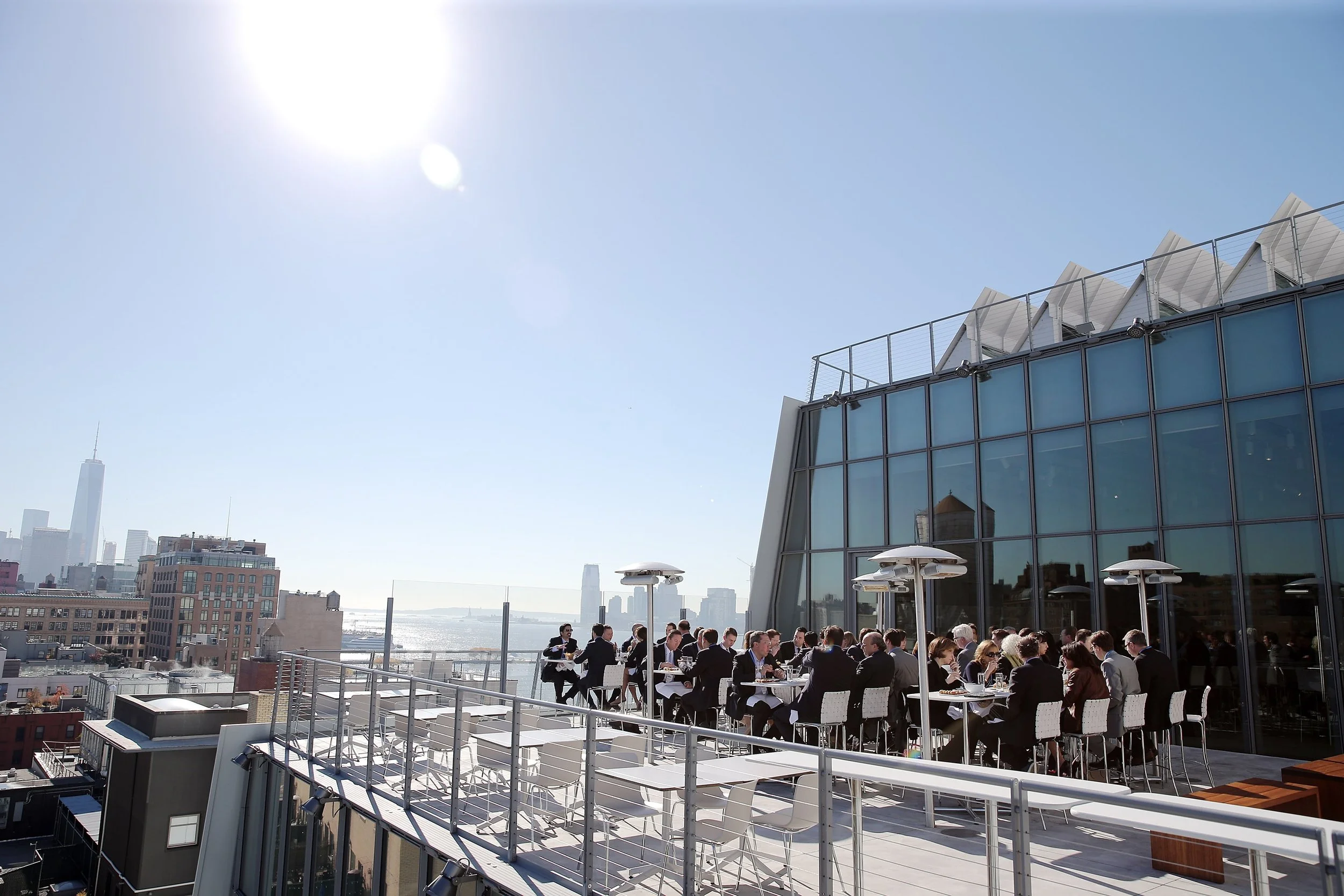
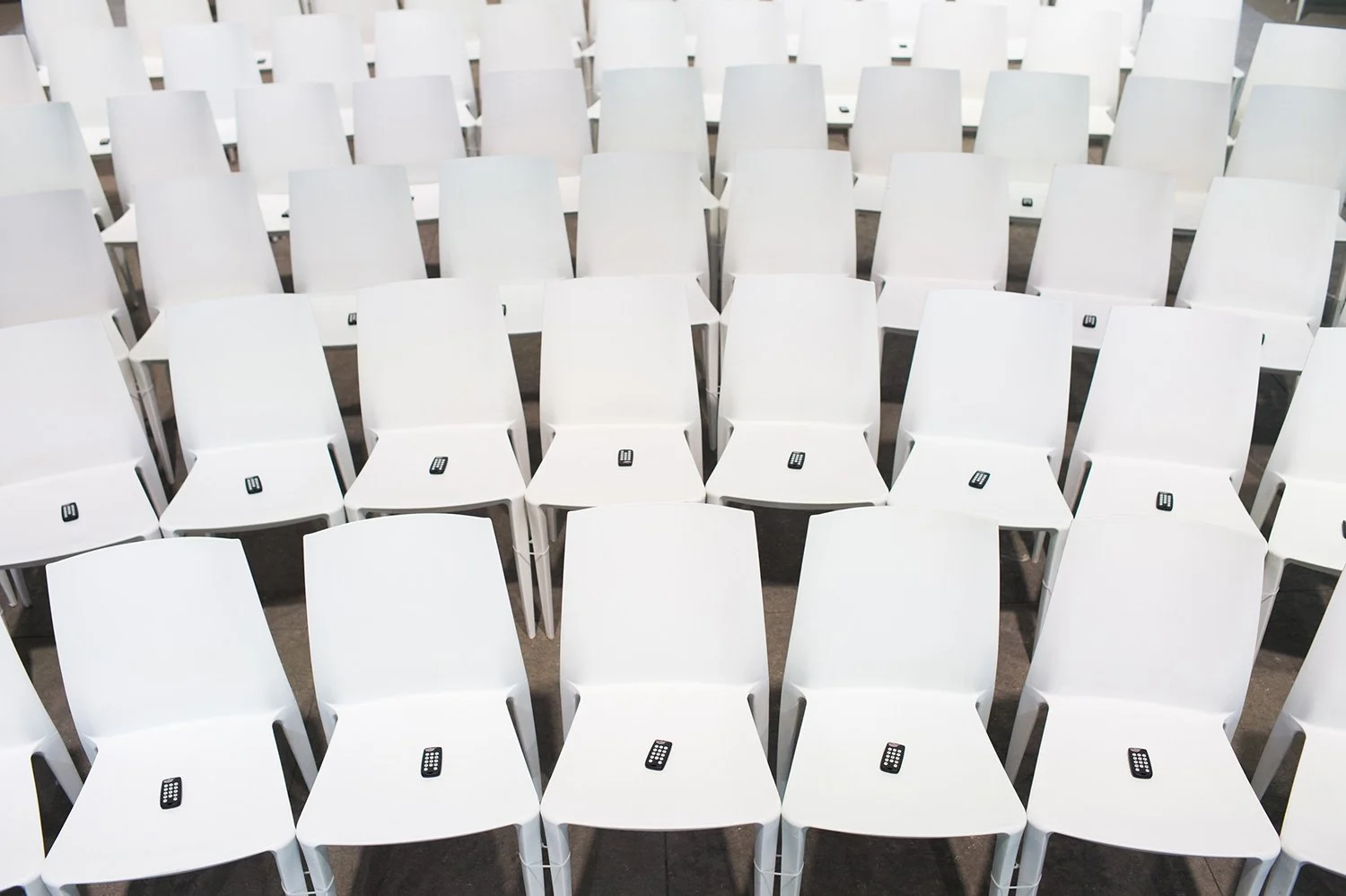




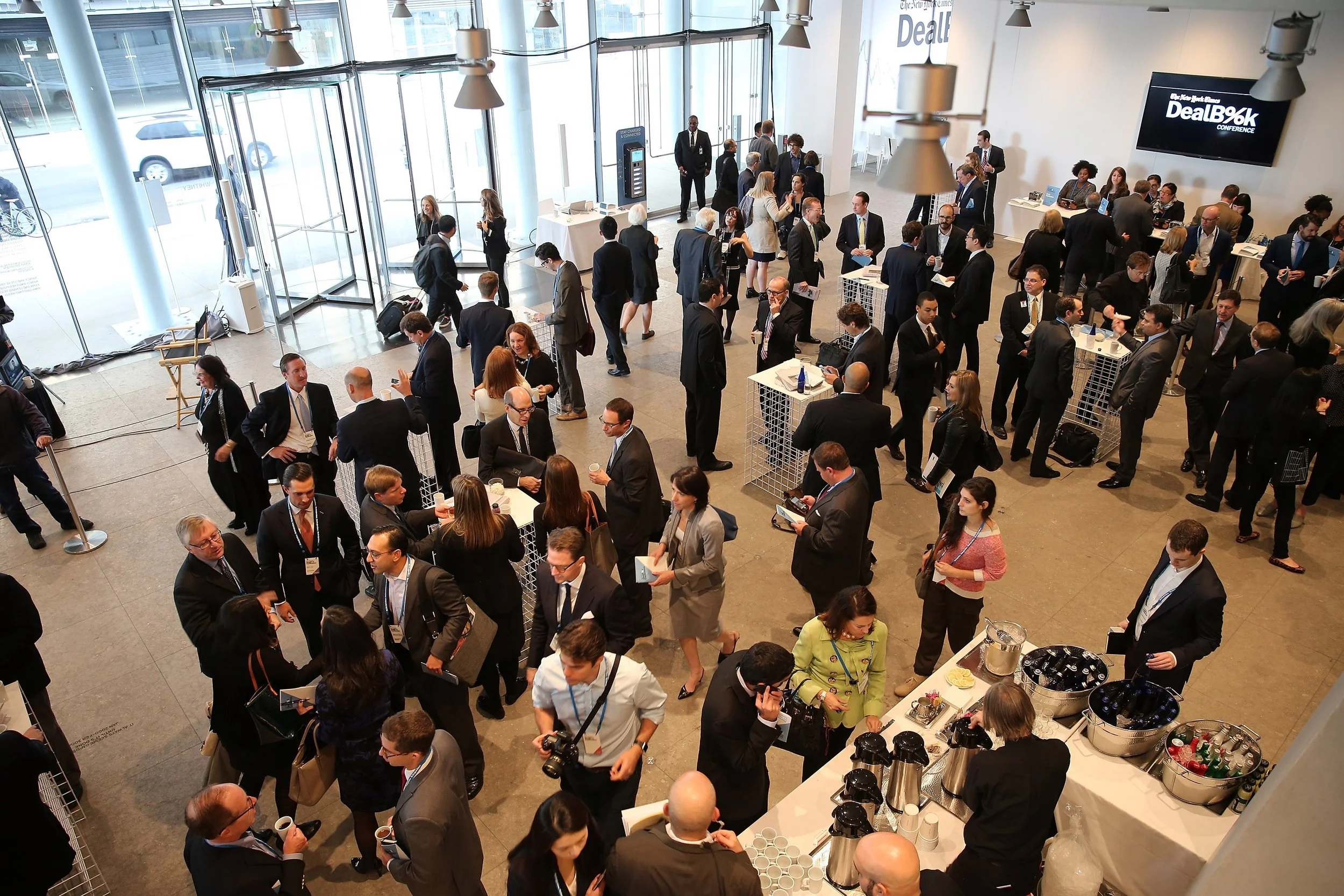



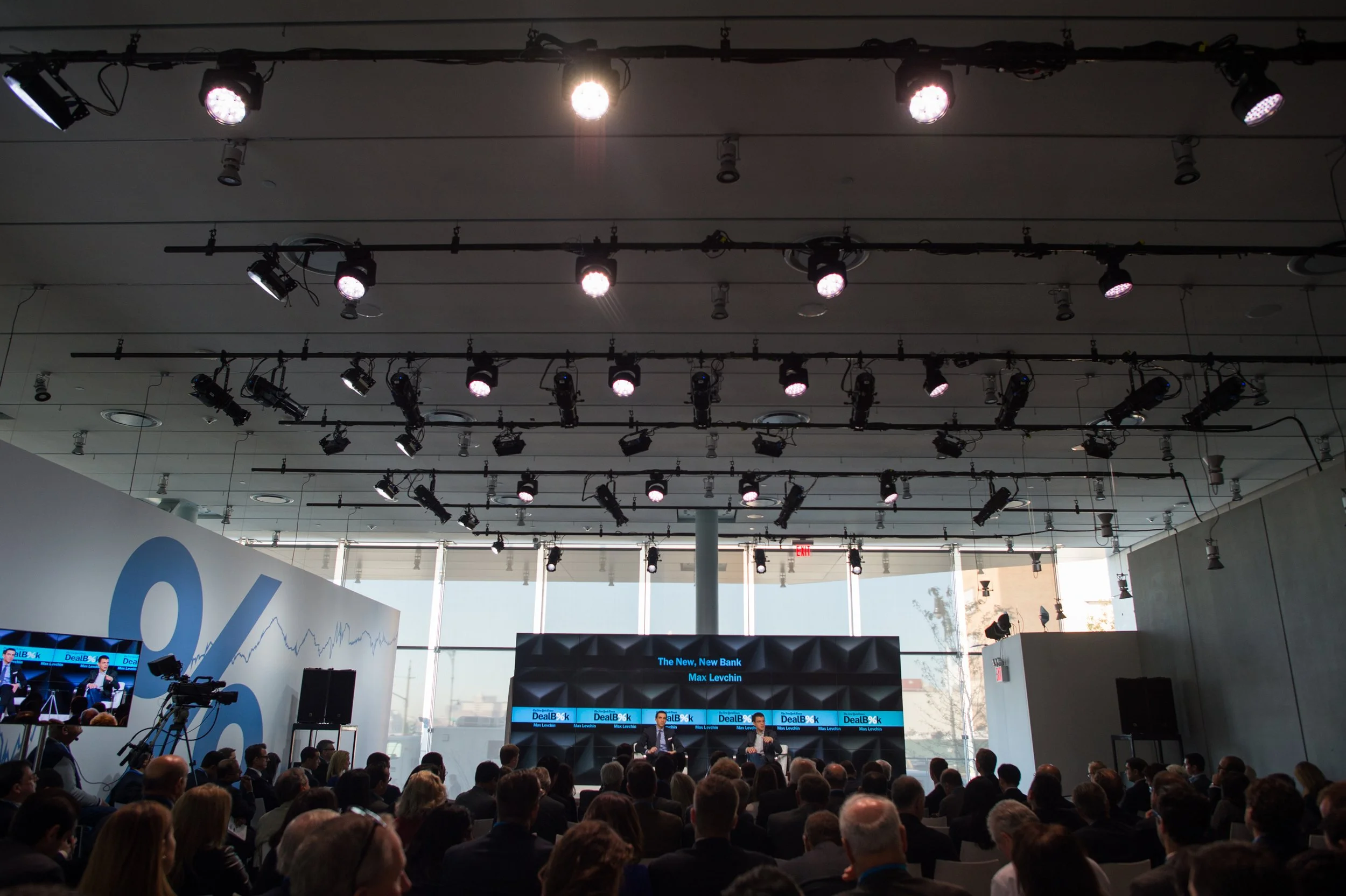

Deal Book Conference Expansion
In 2012 and 2013 the DealBook Conference was held inside The New York Times Building. In 2014 it took a risk. It left home and never went back.
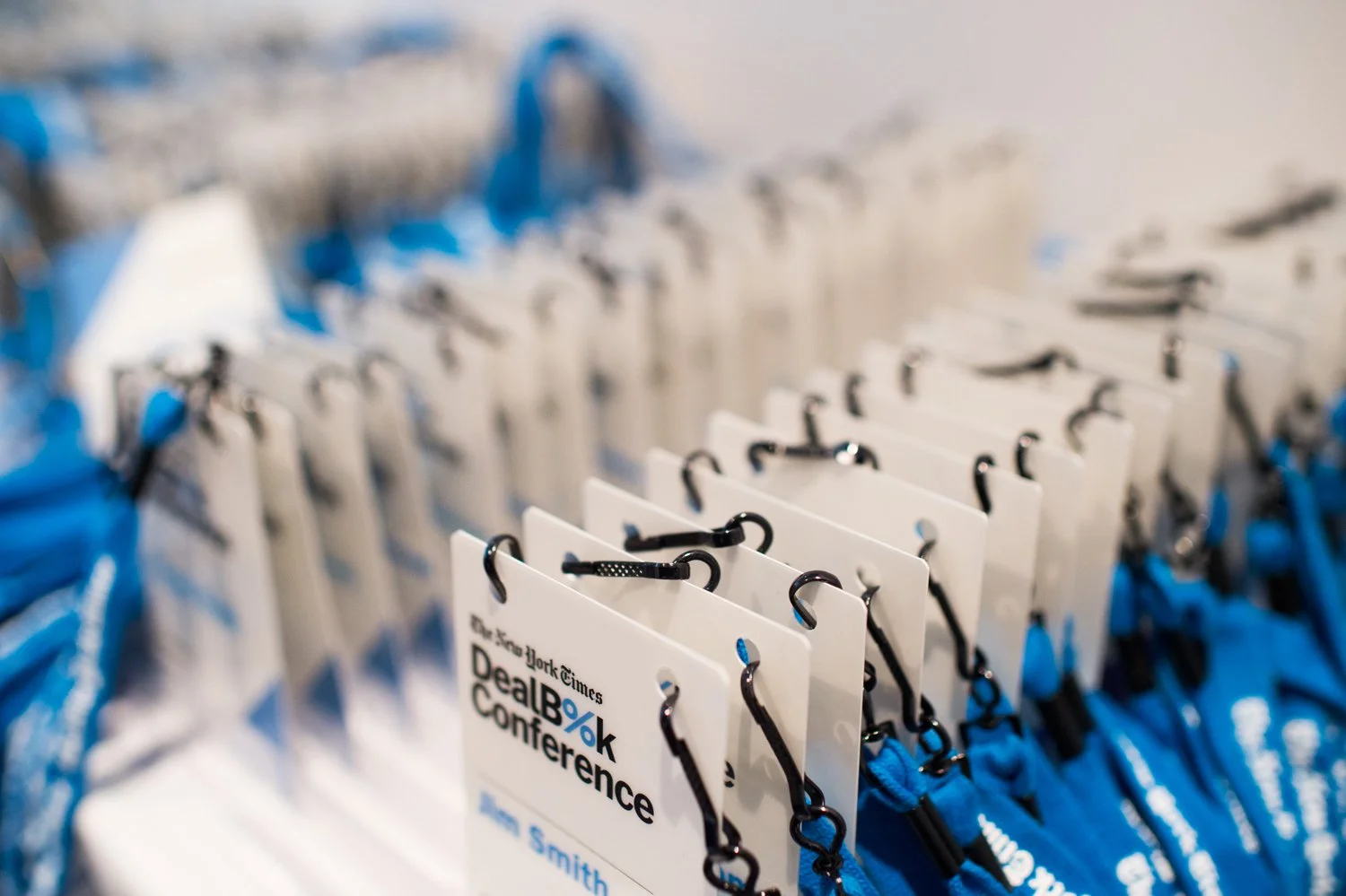
19d produced the next three editions. One World Trade Center in December 2014, the first event ever held at the top of the tower. The brand new downtown Whitney Museum of American Art in November 2015, six months after it opened. And then, as the conference grew, Jazz at Lincoln Center in 2016, for Playing for the Long Term.
None of these buildings had staged anything like it. None came with a stage, a control room, or a way to move [several hundred] guests and speakers of that profile through a single morning. Each year we designed all of it, built it, ran it, and took it out again.
The Times took the risk. We carried it.
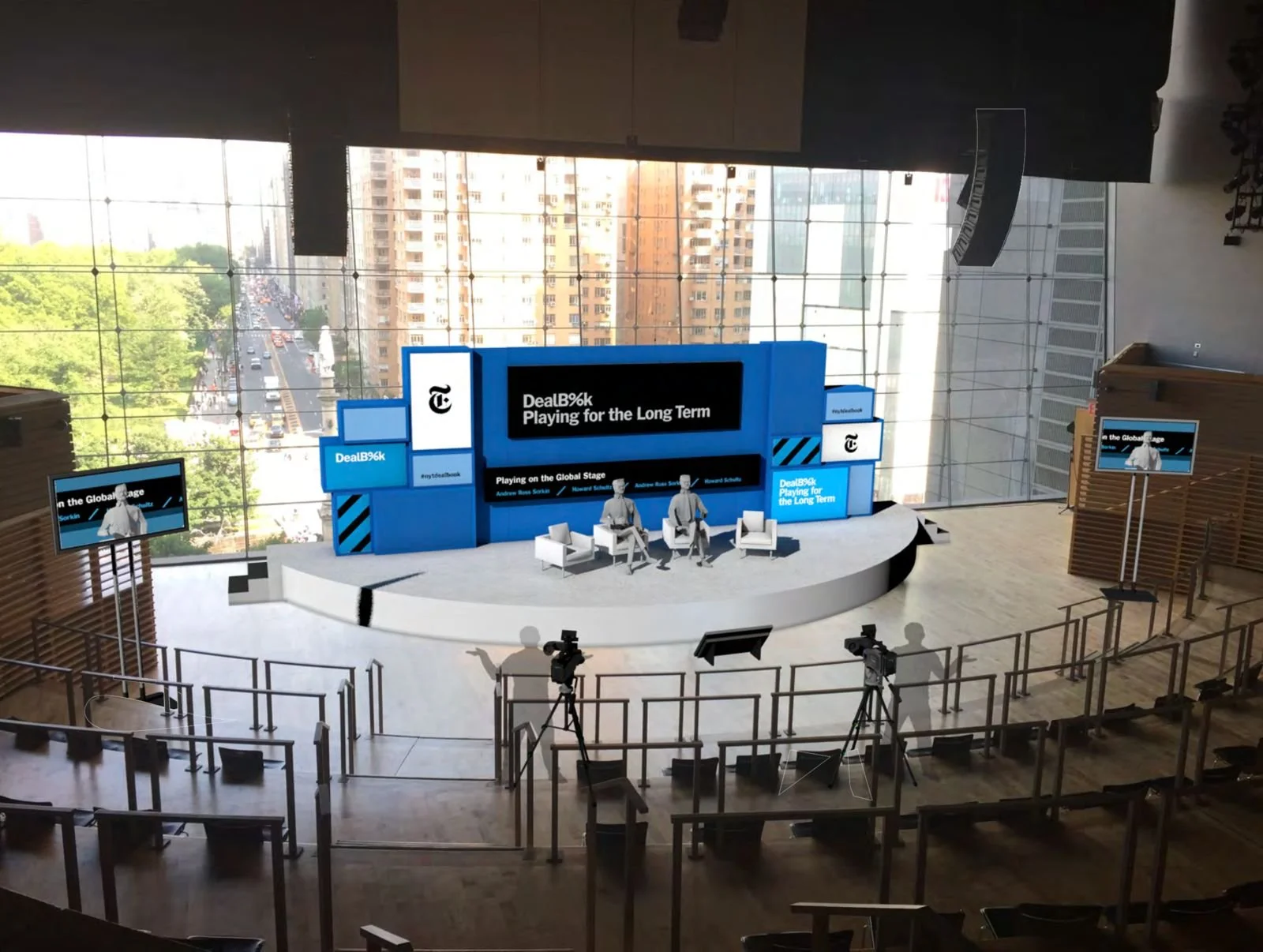
Deal Book 2016
Jazz at Lincoln Center's glass wall is the best backdrop in New York and the hardest to light; we built a set that held the view instead of hiding it, and rigged the space so a full broadcast crew could work all day without a camera or a cable entering a guest's eyeline.
Deal Book 2014
One World Trade Center
FROM CONCEPT TO REALITY
Every event exists as a drawing first. Sightlines, cable runs, the swing of a door, the point at which a coffee queue starts blocking the route to the auditorium; all of it is settled on paper weeks before anything is built.
The plan is where the margins get designed. Where people will stand. How long they'll have. Whether the room ends a conversation start, or quietly creates the connections that people are hoping for.
It takes more than you think
The Whitney had been open barely six months. We loaded in through a working museum, and in 28 Hours built a broadcast set and a full technical rig, welcomed some fairly influential people, and put everything back to its right place, so the galleries opened as normal.
Guests saw a finished room. They didn't see the 40-person crew, the towers, the tonnes of kit, or the fact that all of it existed for a single day. The best work is invisible.
Deal Book 2015
Whitney Museum of American Art
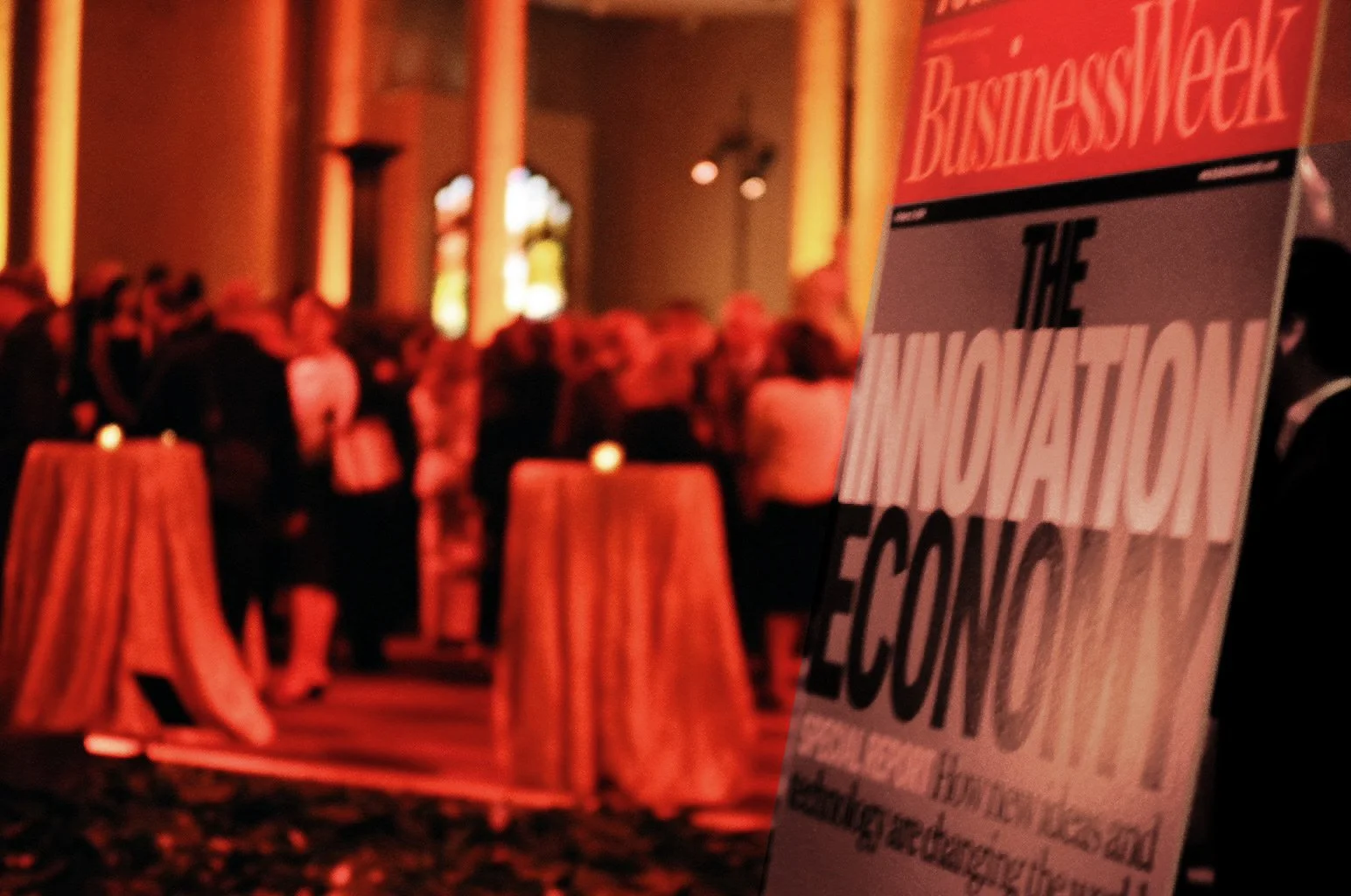
Business Week 75th Anniversary GALA
BusinessWeek at 75
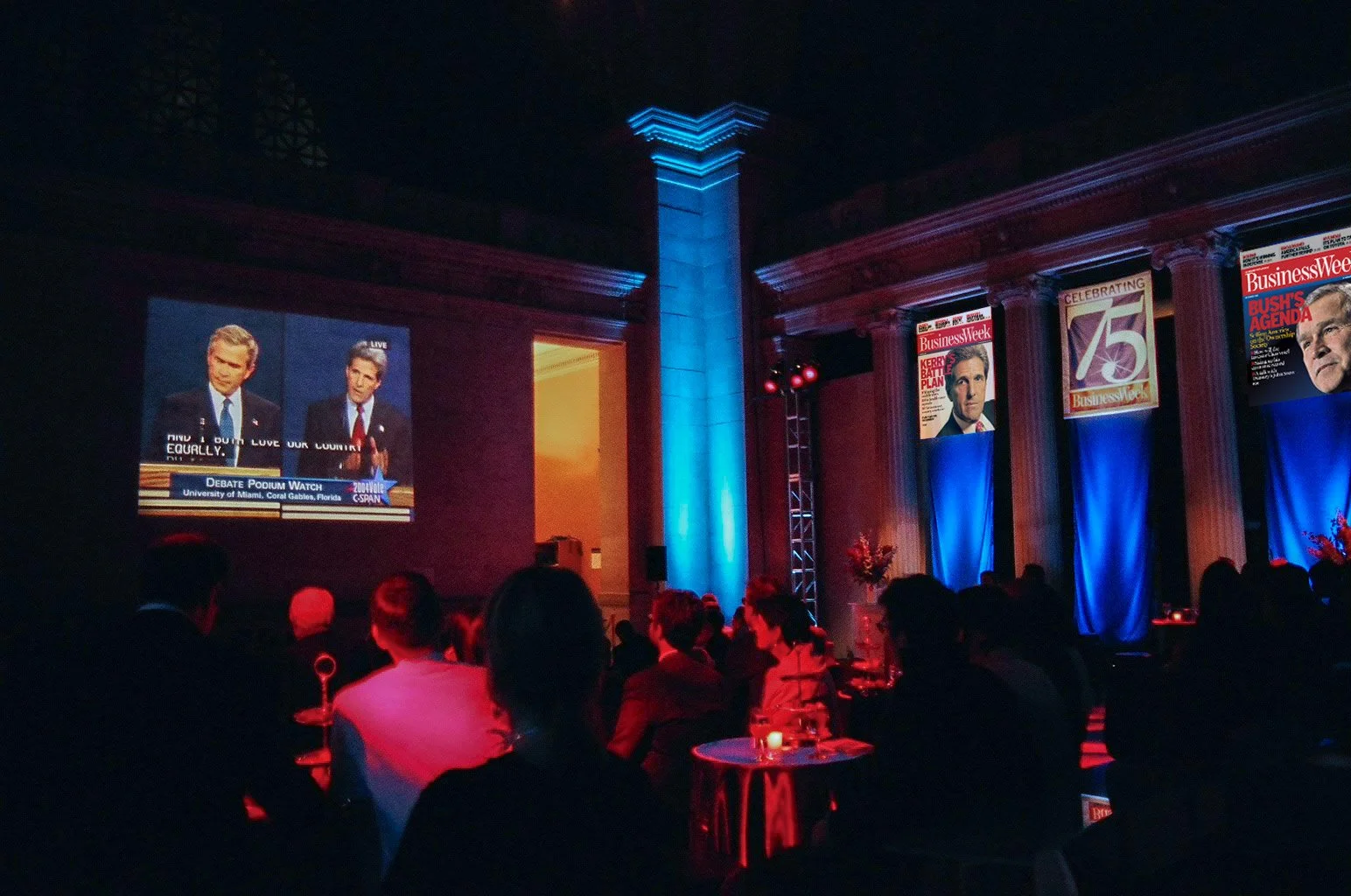
BusinessWeek turned 75 in the year the internet stopped being a story about the future and became the way things worked. On a night about technology, how we did it mattered as much as what was said: video that sat at the edge of what was then possible, and musicians on instruments most of the room had never seen.
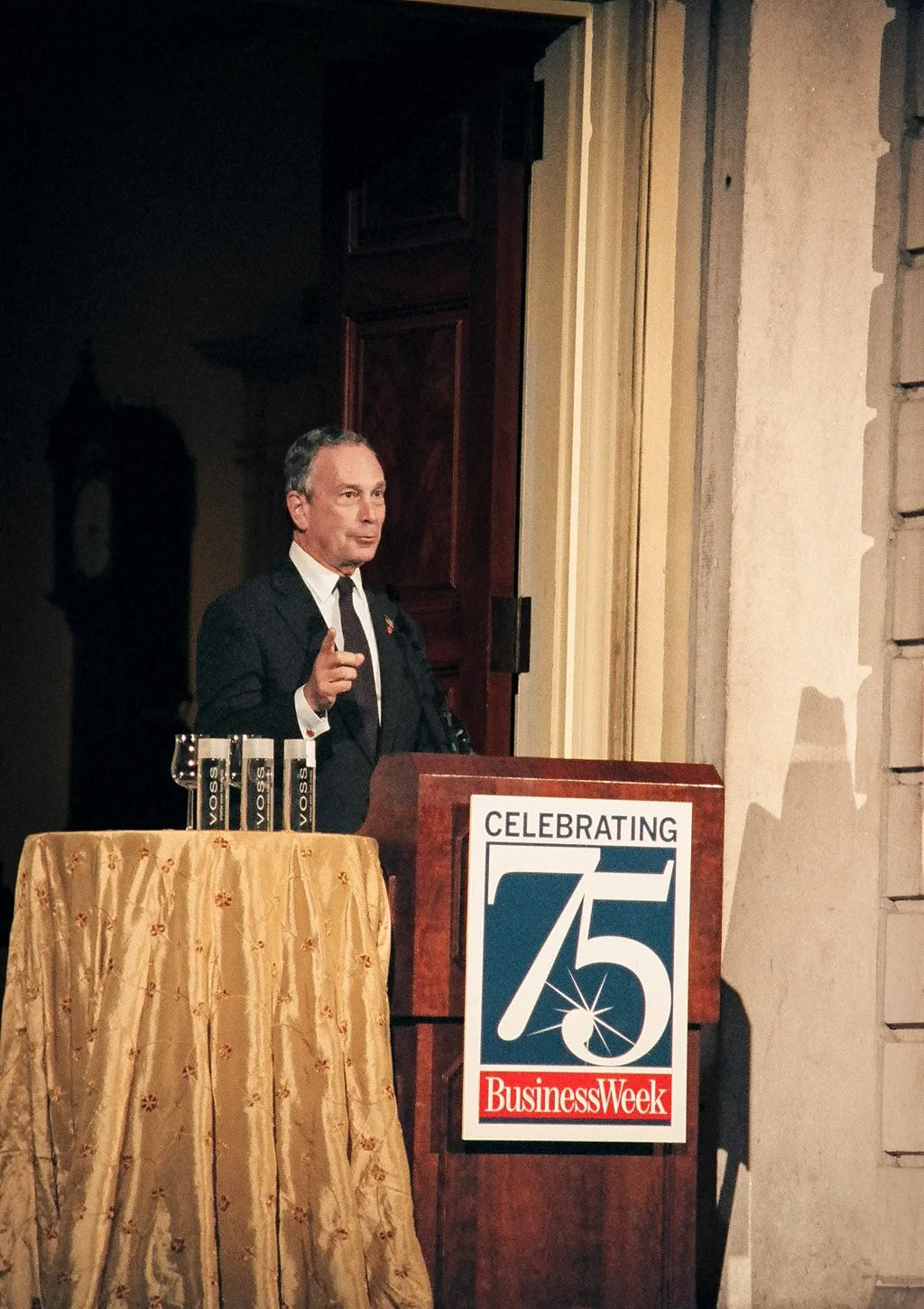
Weeks out, for reasons outside anyone's control, the whole event had to move to a different part of the museum. Then the networks fixed the final presidential debate of the campaign for the same night. Mayor Bloomberg was coming. So was Ken Chenault, and several hundred people like them.
The date could not move, and the debate could not be ignored, so we stopped treating it as a problem and built a viewing arena inside the event. Nobody chose between the party and the news. Several hundred people watched the same thing at the same time in the same room, and every conversation afterwards had somewhere to start.
Condé Nast / Town & Country
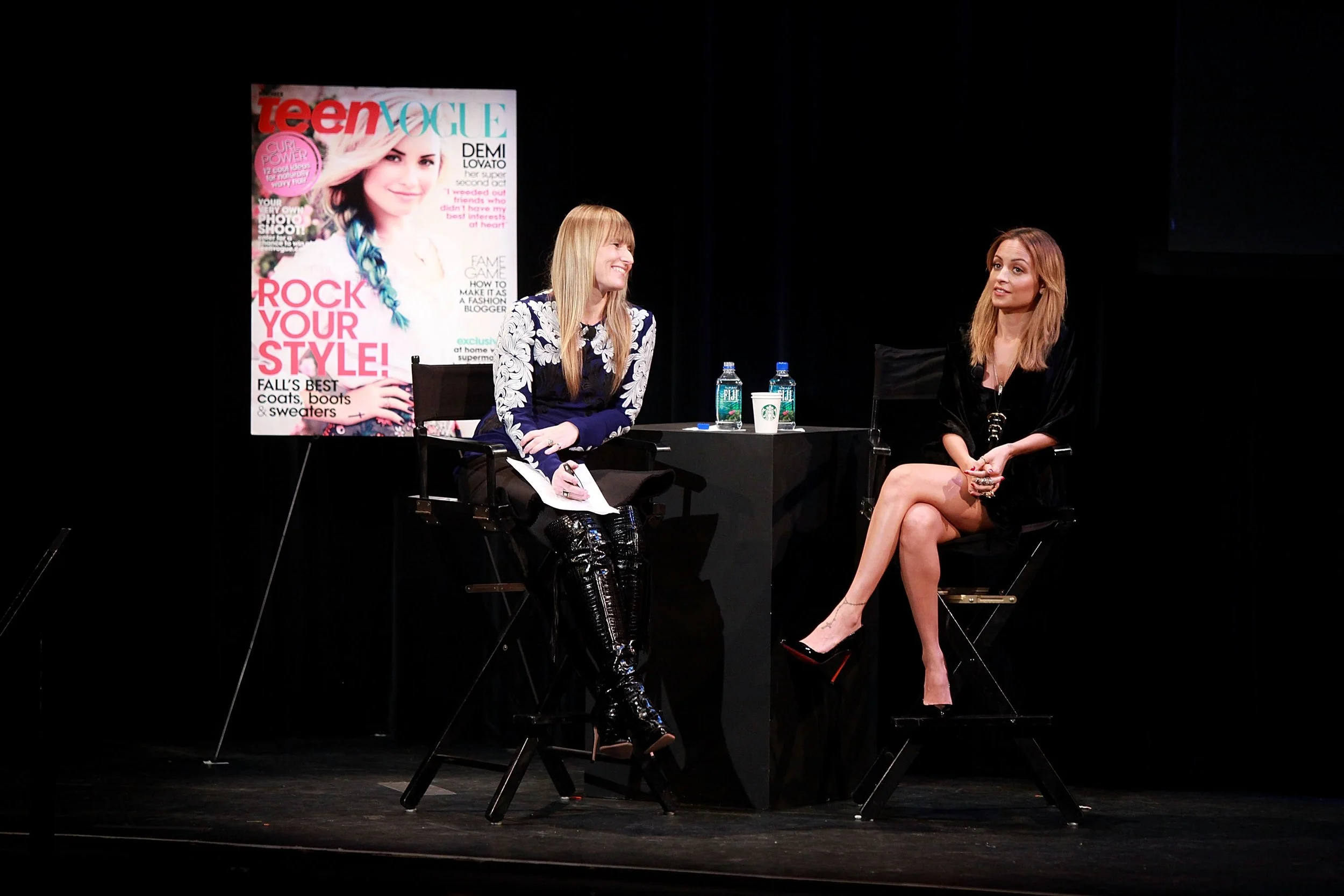
Teen Vogue Fashion University ran for a decade, from its launch in 2006 to its final edition in 2015.
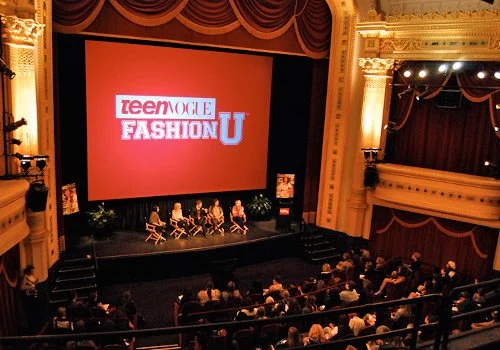
It began at downtown's Mercury Lounge, grew into Broadway; it moved through the Condé Nast Building, and finished at One World Trade Center, where roughly 500 students from around the world spent a weekend inside the magazine.
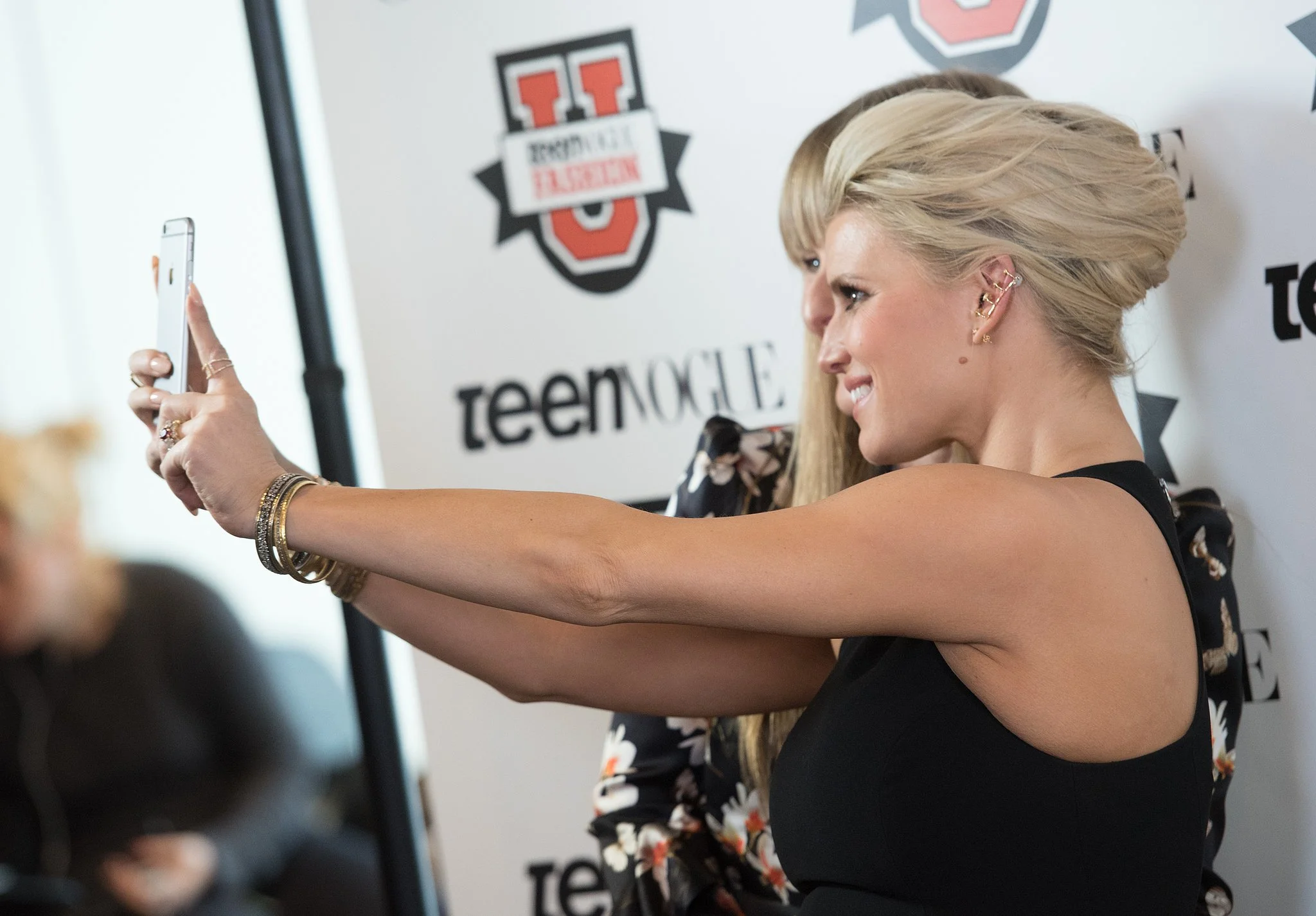
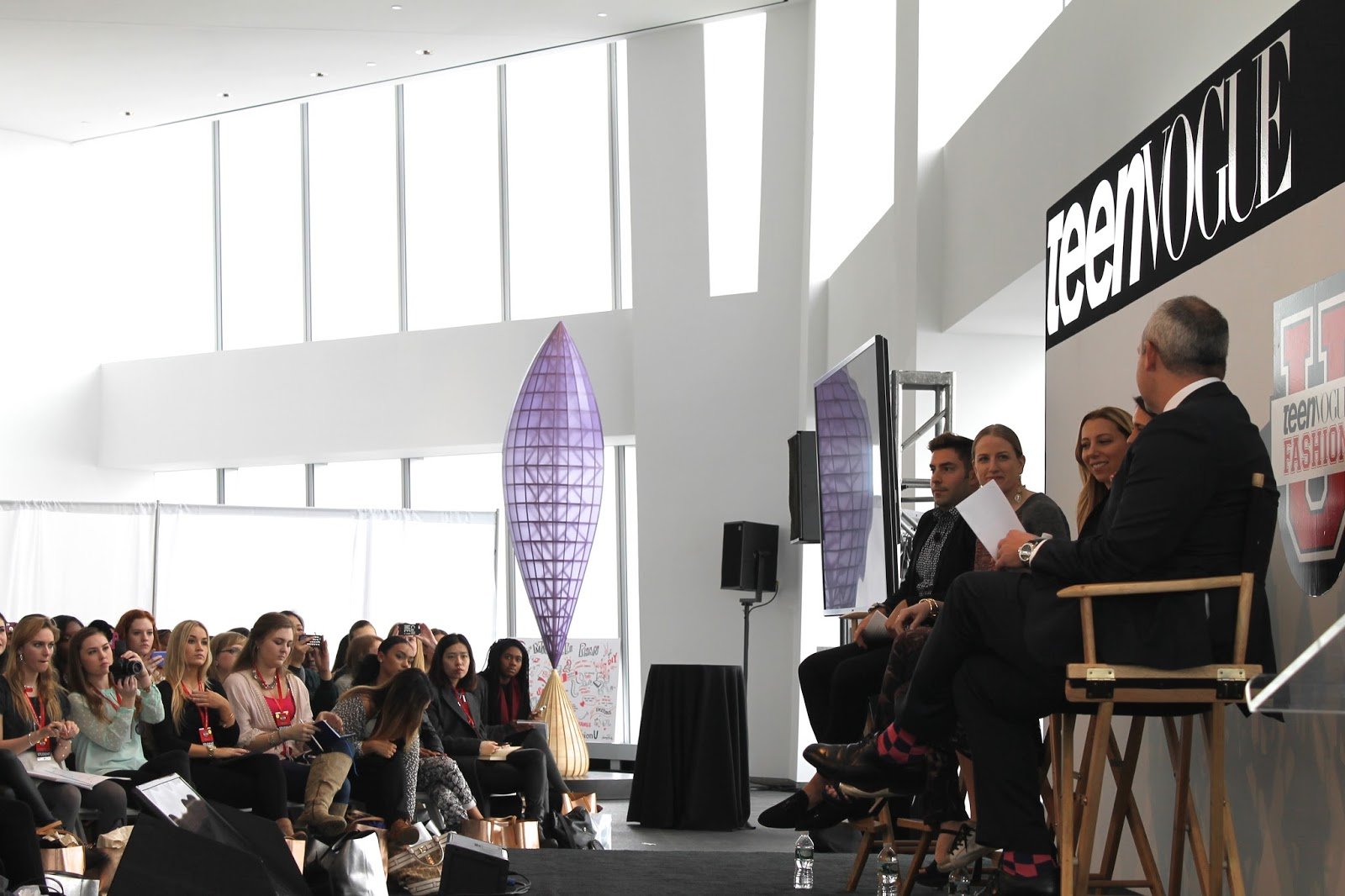
Different rooms every few years, the same problem each time: give several hundred people who have never met one another a reason to talk, and somewhere to do it.

Town & Country Philanthropy Summit
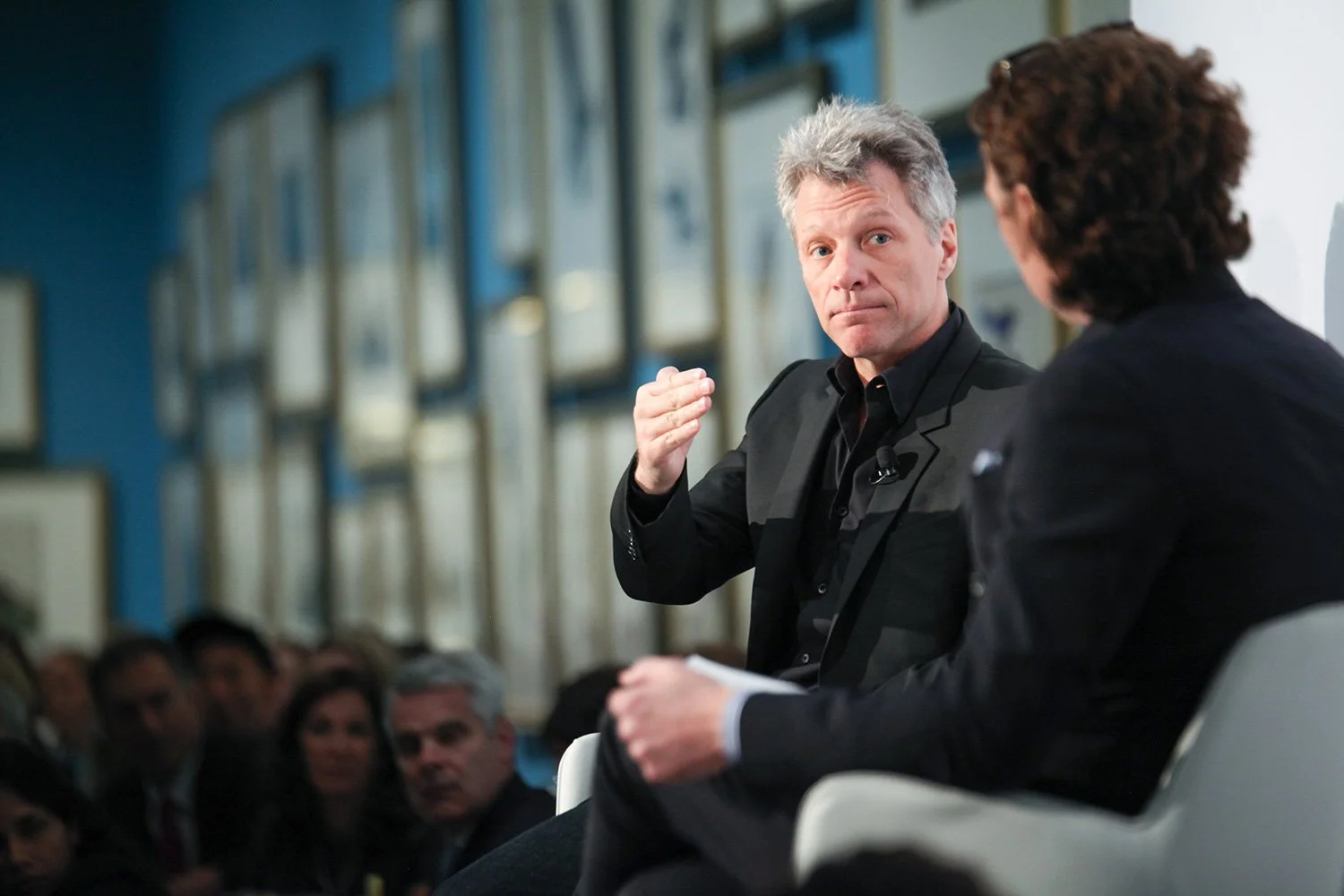
Town & Country Philanthropy Summit
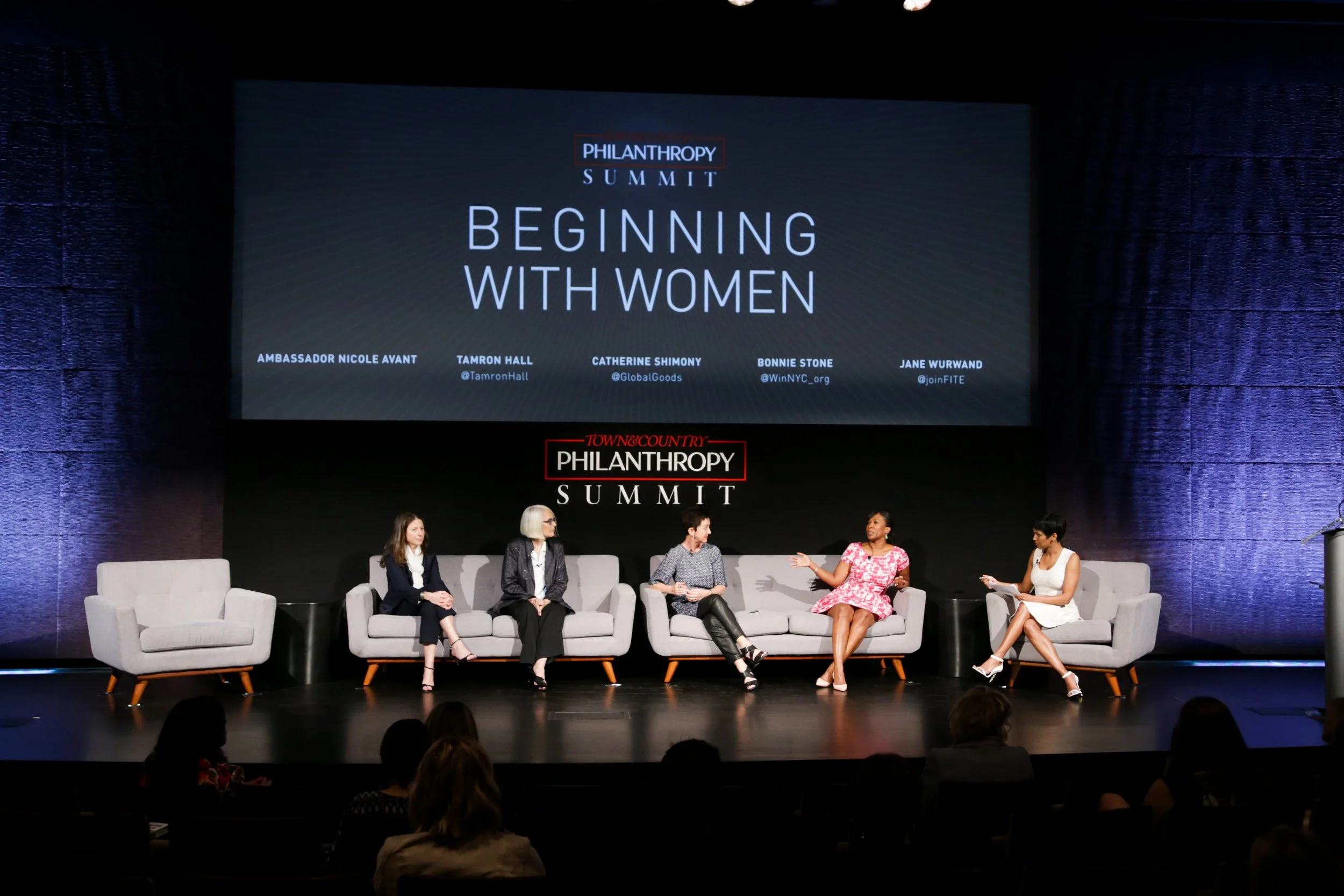
Town & Country Philanthropy Summit